
Spent ages spiffing up your resume? Great fonts, strong points, achievements shining? You’re firing off applications to London, Berlin, Singapore, but getting zero replies.
Your experience might be fine; it’s likely your formatting.
In international hiring, a perfect resume in New York can be a nope in Paris. Photos or no photos? One page or three? Every country has its own hidden rules. To impress recruiters (and beat the bots), you gotta speak their CV language.
Here’s how to tweak your application to nail interviews worldwide.
Photo or No Photo: The Big Question
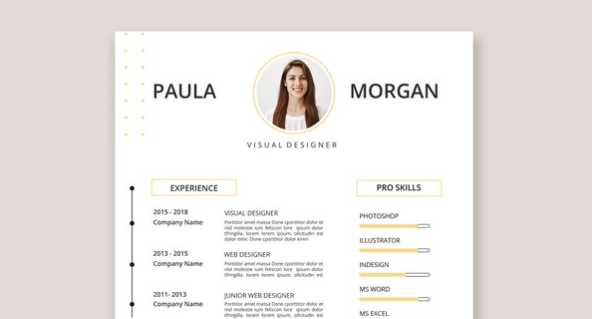
This is where lots trip up. The answer often hinges on local privacy laws.
No Way (USA, UK, Canada, Australia): Recruiters here fear discrimination lawsuits. Photo, age, or marital status? Your file might be binned unread. Keep it strictly pro, skills only.
Expected (Germany, France, Middle East): In much of Europe and the UAE, a headshot is normal. It helps them put a face to the name and feel that trust right away.
Your Call (Scandinavia, Netherlands): A toss-up. It won’t hurt, but nobody cares if you skip it.
Length: Short and Sweet, or Go Long?
How long should a CV be? It depends on where it’s going.
Keep it Short (France, USA): In France, one page rules. More than that, and they’ll think you’re disorganized. US resumes are the same for those early or midway through their career.
Details Matter (Germany, Greece, South Africa): In Germany, a Lebenslauf is like a dossier. They want detail, even primary school and every single certification. Two or three pages is fine.
Academic Style: For research or teaching jobs, a multi-page CV is normal anywhere.
Personal Info: How Much is Too Much?

Saying you’re a proud parent of two might sound nice at home. Overseas, it can be a problem.
Privacy-Focused Countries: In the UK and Ireland, ditch the birth date, gender, and religion.
Open-Book Countries: In Japan or China, personal info is often needed. The Rirekisho format in Japan is super strict and asks about your commute and family’s health.
Middle Ground: In Spain and Italy, adding your birthday and nationality is still common, even expected.
Language: Local or English?
Applying for an English-speaking job in a non-English place? Which language do you use?
The Rule: Use the job posting’s language. But, applying to a local company in Japan or Brazil? A bilingual CV (English on one side, local language on the other) shows respect and effort. It proves you’re serious about staying put.
ATS and the Global Bot
Most big international companies use Applicant Tracking Systems (ATS). These bots expect local keywords.
US/UK Keywords: Think action words (Managed, Developed, Led).
European Keywords: Think skills and certs.
Tip: Moving US to the UK? Change your spelling! (e.g., center to centre). Small touches show you’ve done your homework.
Quick Guide: Regional CV Feels
North America: All about results. Strong and snappy, no personal stuff.
Germany: All about proof. Detailed, in order, signed, and dated.
Japan: All about the format. Use the Rirekisho, don’t be creative.
Scandinavia: All about the fit. Less stiff, more about who you are and teamwork.
Final Check for Your International CV:
Photo rule? Strict privacy laws?
Right length? One-page resume or multi-page CV?
Spelling? British or American?
Double-check job titles: Do foreign companies use the same terms?
Disclaimer: While we aim to spark your interest and keep things entertaining, please treat everything shared here as food for thought rather than a rulebook for life. Since we don’t have a crystal ball and your situation is as unique as a fingerprint, we cannot guarantee accuracy or specific results, nor should you rely on this as professional advice. Please take these insights with a grain of salt, do your own homework, and always consult a qualified expert before making any big moves—because what works for one person might not work for all!


Leave a Reply