
Annoyed with things as they are? Whether you want to get away from high living costs, are chasing sunshine all year, or just want to switch up your career big time, moving to another country is now easier than ever. Forget having to have a job lined up or a company ready to sponsor you right away. Right now, lots of governments are welcoming skilled remote workers, people looking for jobs, and young people ready for something new.
If you want the easiest route to living in a new country, you’ve found the right place. We looked at immigration rules worldwide to give you a list of countries that are pretty easy to move to in 2025, based on the visas that give you the most freedom.
Part 1: Best Countries for Remote Workers (Digital Nomad Visas)
If you work and make money outside of the country, a Digital Nomad Visa (DNV) is often your quickest way to get settled. These visas let you live there for a while, so you can rent a place, get stuff done, and not have to worry about leaving the country all the time.
1. Colombia: Cheap and Easy

Colombia might be the easiest to get into because it doesn’t cost much. Besides being cheap to live in, cities like Medellín and Bogotá are full of people from other countries and have a cool vibe.
Visa Name: Digital Nomad Visa
How Long: Up to 2 years
Money Needed: About $1,100 a month (that’s three times the lowest wage).
Why it’s Cool: It’s a great, cheap pick for freelancers and remote workers who want to meet people.
Money Tip: Usually, you only pay taxes on money you make in Colombia if you stay longer than 183 days a year.
2. Portugal: The Spot for Digital Nomads in Europe

Portugal is a favorite if you want to live in Europe for a while. It’s got good weather, isn’t too expensive compared to other countries in Western Europe, and makes it clear how to stay there for good.
Visa Name: Digital Nomad (D8) Visa
How Long: 1 year, can be renewed (and you can apply for a five-year stay).
Money Needed: €3,040 a month (four times the lowest wage).
Why it’s Cool: Good tax breaks with the NHR (Non-Habitual Resident) program, and lots of friendly people from other countries in cities like Lisbon and Porto.
3. Spain: Head Toward Permanent Residence

If you really want to live in an EU country forever, Spain’s Telework Visa is a top choice. It’s got great culture, food, and a relaxed lifestyle, and the government wants people who work remotely to move to places like Barcelona, Madrid, and Valencia.
Visa Name: Telework (Digital Nomad) Visa
How Long: 1 year, can be renewed for up to 5 years.
Money Needed: €2,520 a month (about 200% of the lowest wage).
Why it’s Cool: There are tax breaks for the first five years, making the move easier on your wallet.
4. United Arab Emirates (UAE): Super Modern
The UAE, mainly Dubai, is great for people who want to live efficiently and get good money. Its Virtual Work Residence Visa is simple and a good place to be if you travel a lot for work.
Visa Name: Virtual Work Residence Visa
How Long: 1 year, can be renewed.
Money Needed: $3,500 a month (or $5,000 if you apply through Dubai).
Why it’s Cool: No income tax and amazing, modern stuff all around.
5. Italy: Work and Enjoy Life
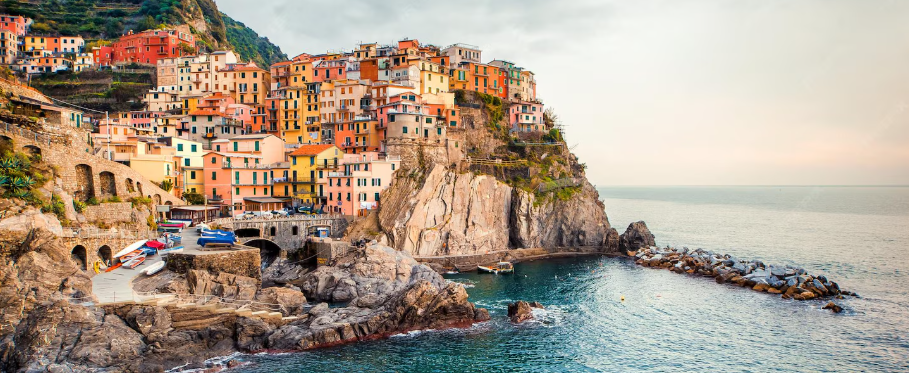
Imagine working while looking at hills in Tuscany or a piazza in Rome. Italy’s Digital Nomad Visa mixes culture and great food with the ease of living in Europe’s Schengen Area.
Visa Name: Digital Nomad or Remote Worker Visa How Long: 1 year, can be renewed
Money Needed: €28,000 a year.
Why it’s Cool: Good life quality, easy to get to other parts of Europe, and a chance to live in one of the most wanted places on earth.
6. Greece: History, Sun, and Low Taxes

Greece has amazing scenery and old history, and it’s not too expensive. If you’re a remote worker who wants a chill, sunny life, this visa is a good pick, mainly if you can get the short-term tax cuts.
Visa Name: Digital Nomad Visa
How Long: 1 year, can be renewed for up to 2 years.
Money Needed: €3,500 a month.
Why it’s Cool: Relaxed life by the Mediterranean Sea and pretty much no taxes for the first six months before the usual taxes kick in.
Part 2: Easiest Countries for Skilled People (Job Seeker Visas)
If you want a regular job in a new country, a job seeker visa is a game changer. These let you live there for a bit so you can meet people, go to interviews, and land a job before switching to a regular work permit, so you don’t need a company to sponsor you right away.
7. Germany: A Big Economic Player in Europe

Germany has one of the strongest economies and treats workers well. Qualified people really want its job seeker visa, thanks to openings in fields like tech, engineering, and healthcare.
Visa Name: Job Seeker Visa
How Long: 6 months.
Who Can Apply: People with a university degree and work experience.
What You Need: You have to show you can support yourself financially, usually about €1,200 a month in savings.
Why it’s Cool: Good salaries, public services, and a good job market for skilled people.
8. Austria: The Red-White-Red Route

Austria uses a point system to get the most qualified people from other countries. The Red-White-Red Card lets you spend six months looking for a job in Vienna or Salzburg.
Visa Name: Red-White-Red Card (Job-Seeker Visa)
How Long: 6 months.
Who Can Apply: Skilled people who get enough points for things like age, education, work experience, and language skills.
Why it’s Cool: Good life quality, good pay, and a simple point system to stay longer once you find a job.
9. Sweden: Great for Start-ups and Skilled Workers

Sweden has a residence permit that’s for both people finding jobs and people wanting to start businesses. It’s a choice if you want to get into Stockholm’s booming tech scene and Sweden’s modern, creative culture.
Visa Name: Residence Permit for Jobseekers & Entrepreneurs
How Long: Up to 9 months.
What You Need: A Master’s degree (or something similar) and enough savings to live on.
Why it’s Cool: Good work-life balance and help for starting a business or getting a job in new industries.
10. Portugal: You Can Go Two Ways
Portugal is here again! Besides the D8 visa for remote workers, Portugal has a regular job seeker visa, making it one of the most flexible countries if you don’t know if you want to freelance or get a local job.
Visa Name: Job Seeker Visa
How Long: Up to 6 months.
What You Need: Proof you can support yourself (about €2,280 minimum).
Why it’s Cool: Nice weather and a growing tech industry, awesome if you want a skilled job but want to pay less than you would in Germany or Austria.
11. United Arab Emirates (UAE): Quick Job Search

The UAE’s Jobseeker Visit Visa lets graduates and skilled people look for jobs without a company sponsoring them. With speed and ease, the UAE stands out as a great spot to switch up your career.
Visa Name: Jobseeker Visit Visa
How Long: 60, 90, or 120 days.
Who Can Apply: New graduates from the world’s top 500 universities or skilled people in popular fields.
Why it’s Cool: Fast processing (about 30 days) and access to a lively, growing job market, mainly in finance and tech.
Part 3: Easiest Countries for Young People (Working Holiday Visas)
If you’re between 18 and 30 (or sometimes 35, depending on where you’re from), a Working Holiday Visa (WHV) is the easiest way to get experience in another country. These visas let you work temporarily to pay for your travels and improve your resume.
12. Canada: A Long Path to Staying

Canada’s International Experience Canada (IEC) program is known for being generous and for making it possible to stay permanently (PR). It lets you work for a long time, bringing young people to cities like Toronto, Vancouver, and Montreal.
Visa Name: International Experience Canada (IEC) – Working Holiday Visa
How Long: Up to 2 years (depends on your country).
Age Limit: 18 to 35 (depends on where you’re from).
Why it’s Cool: You can work anywhere, often a way to get Permanent Residency because Canada’s immigration policies are friendly.
13. Australia: Good Pay and Fun

Australia is still a top choice for young people because of good pay, an active life, and beautiful nature. Its Working Holiday Visa is perfect for working in Sydney or Melbourne and saving money to travel.
Visa Name: Working Holiday Visa (Subclass 462)
How Long: 12 months, can be extended to 3 years if you work in certain regional areas.
Age Limit: 18–30 (35 for some countries).
Why it’s Cool: You can stay up to three years, giving you a lot of time to get work experience and see the country.
14. New Zealand: Super Flexible
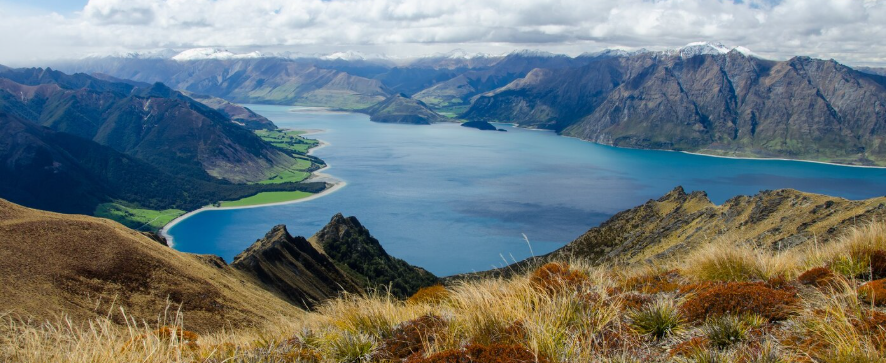
New Zealand’s Working Holiday Visa is known for not having many rules and being easy. It’s awesome if you want to see the Kiwi culture and cool landscapes more than sit in an office.
Visa Name: Working Holiday Visa
How Long: 12 months (or 23 months for UK and Canadian citizens).
Age Limit: 18–30 (35 for some countries).
Why it’s Cool: You can work whatever job you want, and it processes fast, making it great for working and traveling as much as you want.
What To Do Next: Make the Move
Deciding which of these countries is for you is the first thing to do. Next is getting ready.
Check Official Sites: Always look at the official government websites for the latest rules for the country you want to move to. Rules often change every year.
Show You Have Money: Make sure you have the savings or monthly income you need to meet the visa’s requirements, which are needed to get approved.
Get Documents Ready: Start getting things like background checks, proof of your qualifications, and health insurance that works in the country you’re going to.
Moving to another country takes guts and patience, but with these easy visa choices, your new life might be closer than you think. Start getting your documents today—your new is waiting!
Disclaimer: while we aim to spark your interest and keep things entertaining, please treat everything shared here as food for thought rather than a rulebook for life. Since we don’t have a crystal ball and your situation is as unique as a fingerprint, we cannot guarantee accuracy or specific results, nor should you rely on this as professional advice. Please take these insights with a grain of salt, do your own homework, and always consult a qualified expert before making any big moves—because what works for one person might not work for all!


Leave a Reply