
Moving to a different country is a big step, but with a bit of planning, it can turn into an amazing experience. If you’re thinking about a move overseas for a job, retirement, school, or a fresh perspective, keep in mind that it involves more than just packing. You need to sort out visas, money matters, health plans, and where you’re going to live.
To assist you, here’s a practical checklist to guide you through each part of your move overseas. Getting ready in advance can really make things easier. It helps make your change go smoothly and sets you up for success in your new life.
This guide covers the essential things to think about before you take off, what to do during the move, and what you need to handle once you’ve landed.

Do Some Homework on Your New Country’s Rules
Before you decide to move, learn about the rules and how things work in your new home. Get to know the basics about visas, how the country handles immigration, and what they expect from people who come to live there.
To get solid details, reach out to the embassy or consulate of the country you’re moving to. They can give you the most accurate and recent details. Ask them about:
- What kind of visa or permit you need to live there.
- The rules for getting a job and whether you need a special permit to work.
- If you or your kids need any vaccinations.
- What you can and can’t bring into the country and if there are any taxes on your things.
- If you have expensive items, what taxes or duties you might need to pay.
- The rules for bringing pets, like vaccinations and if they need to be quarantined.
- What kind of insurance you’re required to have.
Check when your passport and important papers expire and try to get your visa and permits sorted out early. Dealing with these things when you’re moving to another country can often take longer than expected.
Sort Out Your Finances

One of the most important things to do when you’re planning to move overseas is getting your money in order. Knowing what things will cost and how you’ll earn money helps prevent surprises later.
Think About the Cost of Living: Look into how much things cost in your new city or town.
- How much is rent or a house payment?
- What do you usually spend on food, either cooking at home or eating out?
- How much are utilities like electricity and internet?
- What will you spend on transportation?
Compare these numbers to what you usually spend to see how your budget might change.
Look Into the Job Market:
If you plan to work, check out the job situation in your new country.
- Are companies looking for people from other countries?
- Are there industries that appreciate your skills or languages you speak?
- What’s the jobless rate?
- What salaries can you expect?
Making sure there are real job options where you’re moving can bring peace of mind.
Consider Your Retirement Plans:
If you’re retiring or planning to stay a long time, check how easily you can get your pension. If you’re thinking of moving your pension money overseas, find out the cheapest and most tax-friendly ways to do it.
Understand Your Healthcare Choices:

The way healthcare is handled differs a lot from country to country. How you get healthcare usually depends on your legal status in the country.
Medications: If you take medicine regularly, bring enough with you when you move. It might take time to get a new prescription filled.
Health Insurance: Usually, you can choose between public healthcare, private health insurance, or both. Many people from other countries choose private insurance to avoid long waits and language issues. Check your options before you move.
European Health Insurance Card (EHIC): If you’re from the EU, the EHIC lets you get healthcare in Europe for a short time. Apply early because it can take a few weeks to process.
Set Up Your New Home

Having a place to live sorted out makes getting used to your new life much smoother.
Selling Your Current Home: If you need the money from your current home, put it on the market early. Be ready for all scenarios. Maybe it sells fast, slowly, or not at all. Renting it out can give you some income and a backup plan if you decide to return.
Buying a Place in Your New Country: If you want to buy, speak to local real estate agents and lawyers. Things like language, mortgage rules, and property taxes might be very different.
Renting to Start: A lot of people who move to a new country choose to rent first. This lets you explore different neighborhoods, learn about the local housing situation, and avoid making quick decisions.
Move Your Stuff
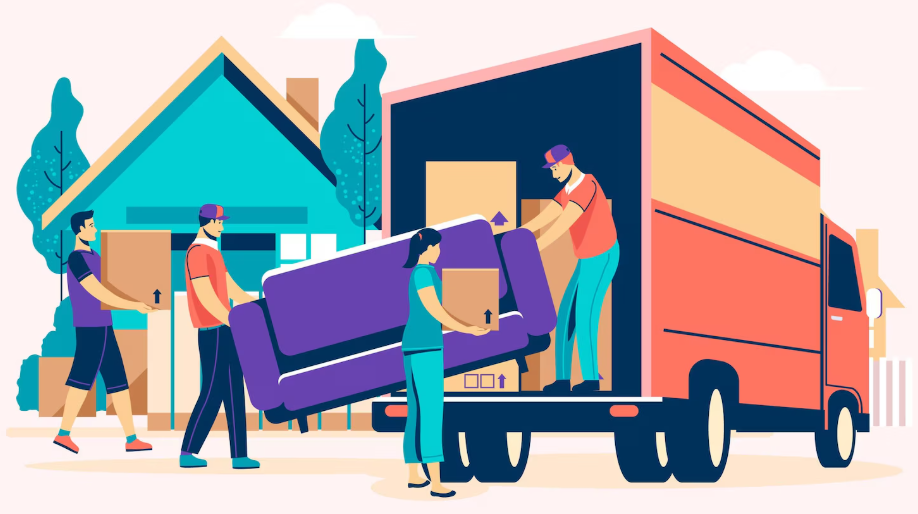
Whether you’re moving alone or with family, moving everything overseas needs a plan. Moving within Europe sometimes means you can use a truck, but moving to another continent usually requires shipping.
To make it simpler, many hire international moving companies. They handle the details, take care of customs, and deliver your things. Contact moving companies early because shipping can take weeks or months. Pack a separate bag with essentials, so you have what you need when you arrive.
Get Your Paperwork in Order
Having the right documents is crucial when moving abroad. Get official copies in advance and keep physical and digital copies safe.
Your moving checklist should include:
- Your passport
- Birth and marriage certificates
- Proof of your citizenship
- Medical and dental records, plus vaccination history
- Driver’s license
- Insurance papers
- School records and degrees
- Job history
- Proof of where you’re living or a job offer
- Your will
Final Steps Before Leaving

Book Your Travel: Tickets for flights, trains, are often cheaper if you buy them early. Try to get there at a good time, rather than late at night.
Sort Out Your Bank Accounts: Tell your bank you’re moving. Ask about managing your money from abroad and confirm your cards will work in your new country. Look into international money transfer services for better fees.
Care for Your Pets: Ensure your pet has the right vaccinations and microchip. Check regulations for carriers and quarantine. If your pet isn’t moving with you, find it a good home.
Driving Permit: If you plan to drive immediately, get an International Driving Permit.
Cancel Subscriptions: Stop any subscriptions you don’t need and forward mail to ensure you get important documents.
Once You Arrive

Open a Local Bank Account: Many banks let you open accounts before your arrival. Services help with money transfers.
Register for Healthcare: Sign up for local healthcare soon, and arrange insurance to avoid gaps in coverage.
Learn About Your New Home: Learn its things, and basic phrases to easier connect and interect.
Understand Taxes: Research the tax rules and gather documents.
Transportation: Learn getting around for ease.
Enroll Your Children in School: Select the schools, and consider childcare.
Arrange Insurance Coverage: Prioritize coverage for vehicles, property, and personal belongings.
Get a VoIP Phone Number: To contact with whom you want to.
With planning, your international move can mark the start of an exciting new chapter abroad.
Disclaimer: while we aim to spark your interest and keep things entertaining, please treat everything shared here as food for thought rather than a rulebook for life. Since we don’t have a crystal ball and your situation is as unique as a fingerprint, we cannot guarantee accuracy or specific results, nor should you rely on this as professional advice. Please take these insights with a grain of salt, do your own homework, and always consult a qualified expert before making any big moves—because what works for one person might not work for all!


Leave a Reply